AMVCC, Association de Mise en Valeur du Château de Coucy
La Seigneurie de Coucy
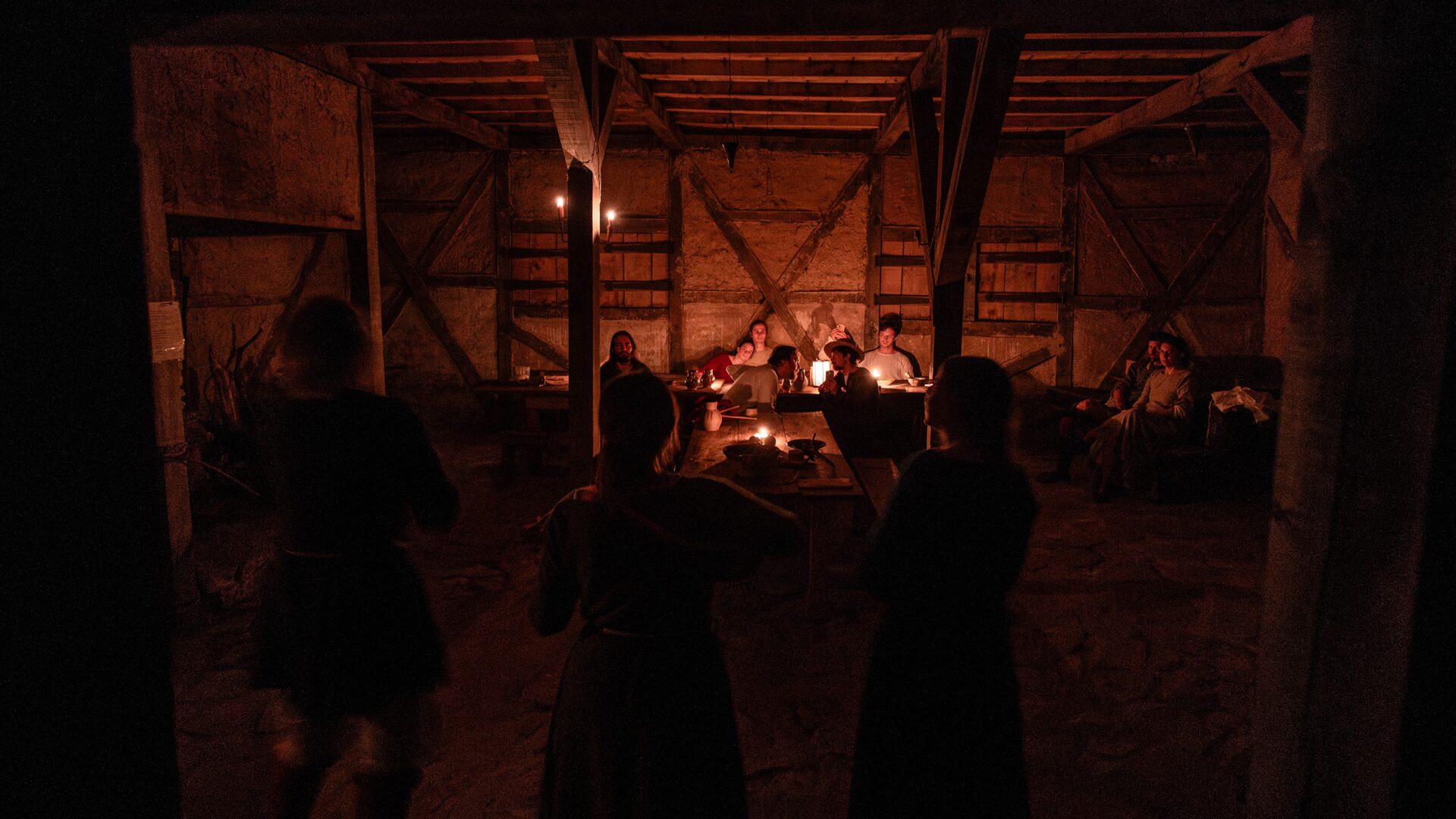
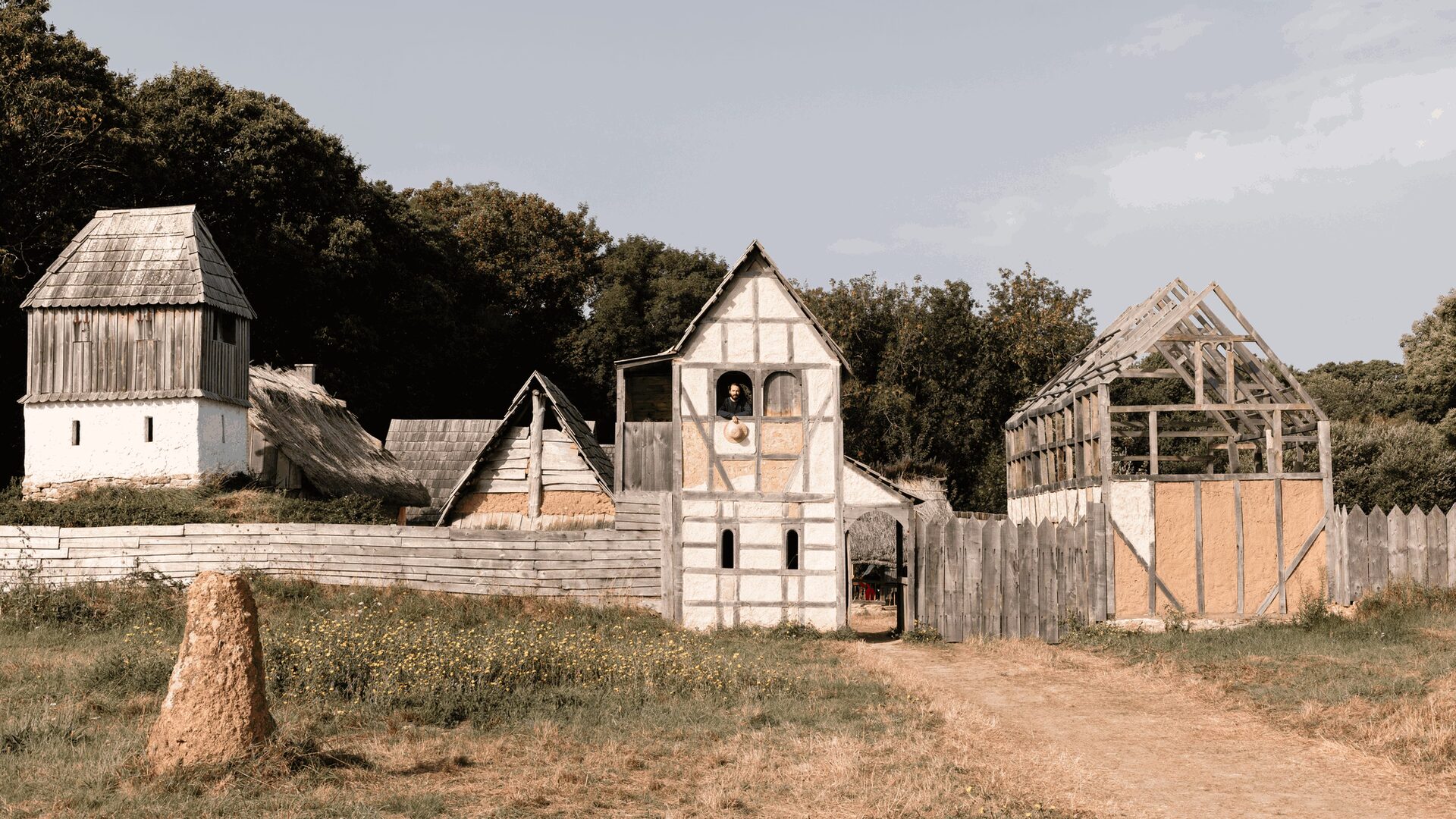
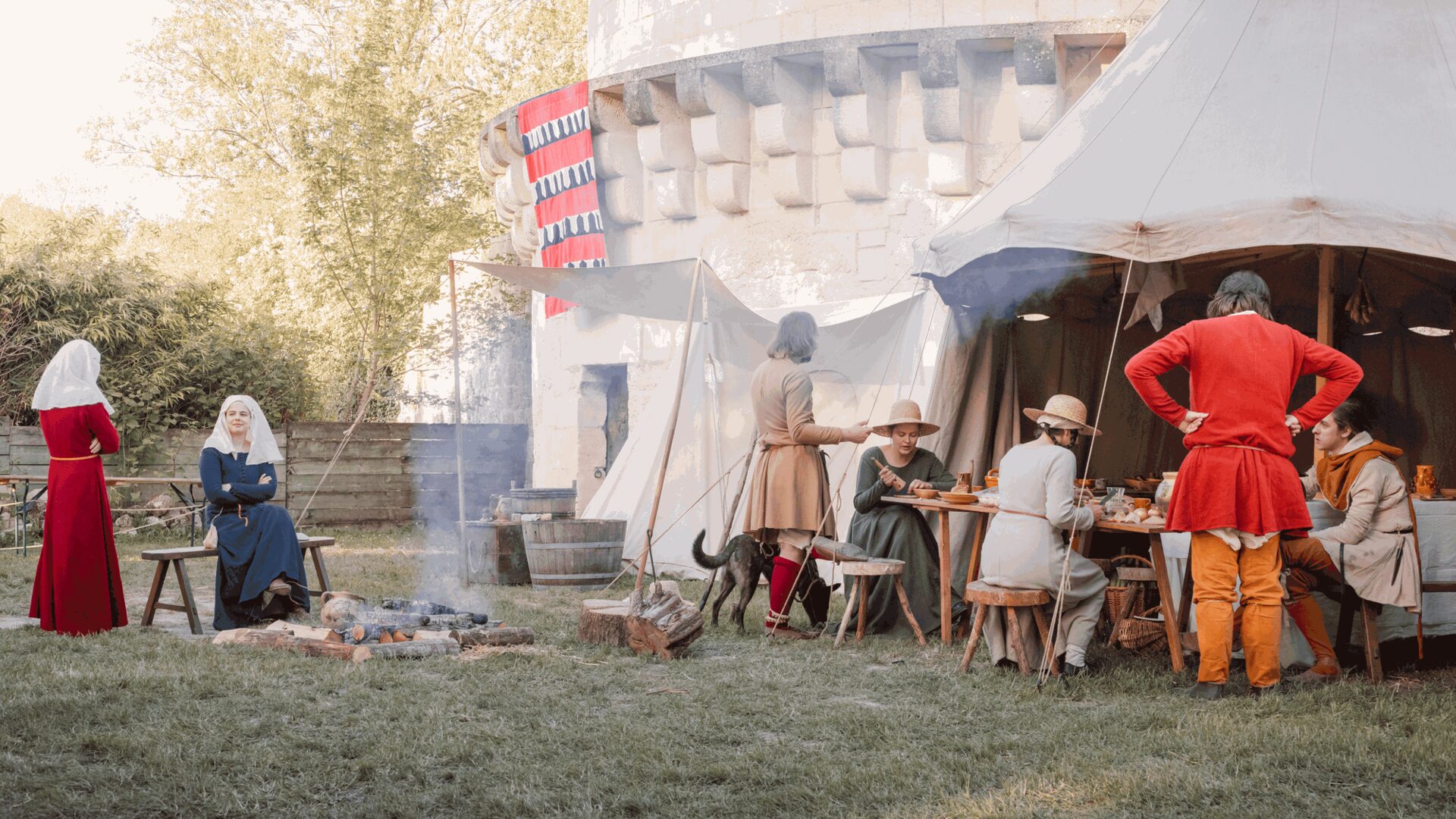
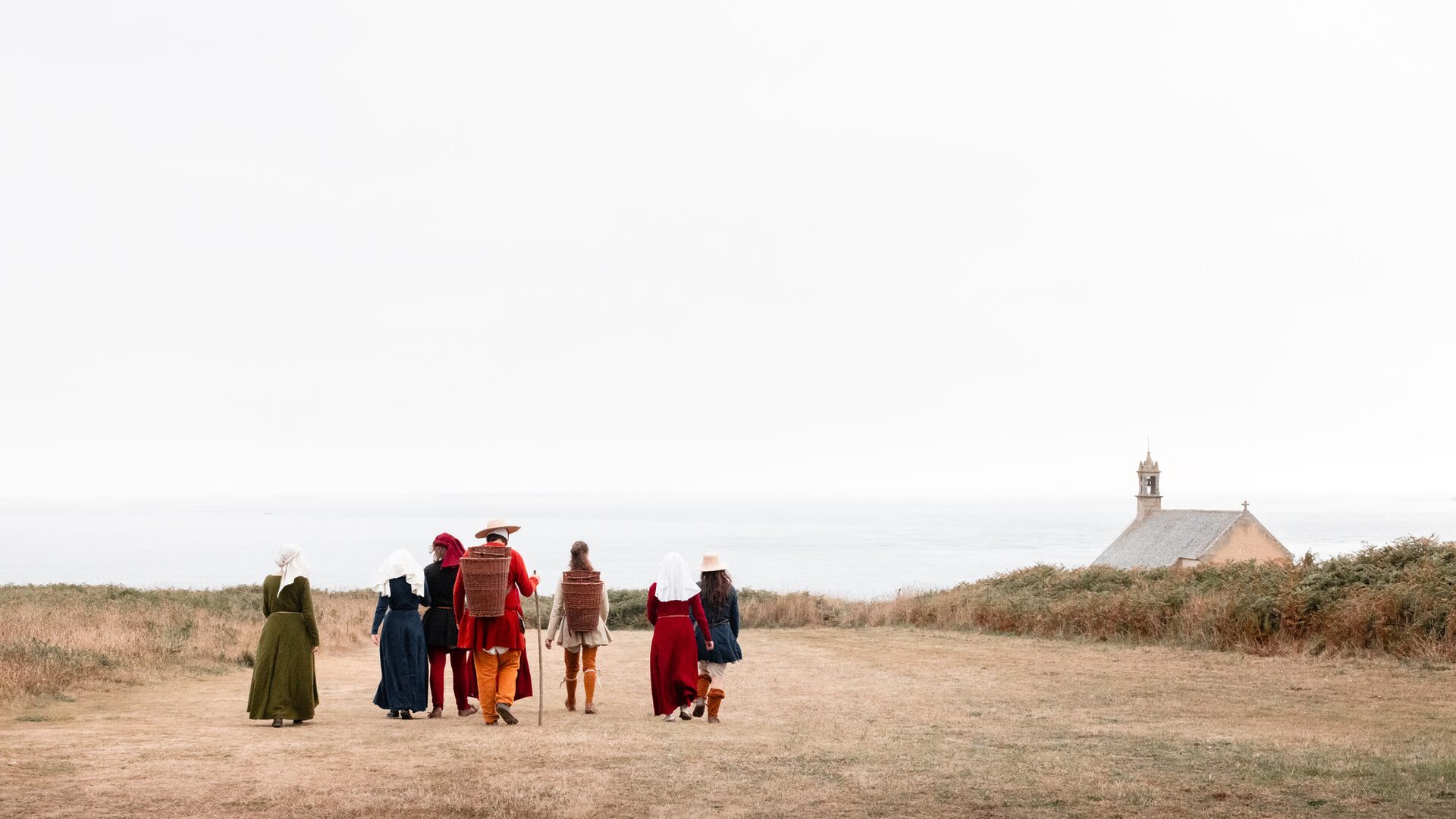
We reenact the civil life of the lordship of Coucy in the mid-14th century, between 1340 and 1360. Around twenty volunteers in Picardy, in the Hauts-de-France region, who enjoy research and passing it on.
- 1972
- AMVCC founded in
- 1340-1360
- Reenacted period
- 20
- Volunteers in the project
La Seigneurie de Coucy
About
Our story
The AMVCC has been looking after the castle of Coucy since 1972. In 2019, a few enthusiasts launched La Seigneurie de Coucy, a reenactment project that later became part of its cultural mediation branch. Today, around twenty of us bring the civil life of the lordship between 1340 and 1360 back to life: women and men, peasants, craftspeople, merchants, churchfolk, and burgesses in the original sense of the word, the people of the borough.
Read our storyMethod
Our approach
Every garment and every object we make starts from a document we can show you: an illumination, a household account, a post-mortem inventory, a piece kept in a museum. We learn from one another, workshop after workshop. And when a source is missing, we say so.
Discover our methodKnowledge
Our research
Daily life, crafts and trades, the condition of women, the peasant economy, parish life. Our members write up what they find and publish it in open access, for fellow reenactors and curious readers alike. Our readers give us a great deal in return.
Read the journalCalendar
Upcoming
Method
Our approach in three steps
The best moment of an event is when someone asks « how do you know that? ». We have the source at hand, and we are delighted to bring it out.
-
Step 1
Research
It all starts with documents: the accounts of the lord's household, post-mortem inventories, illuminations, technical treatises. We read them and compare them, then we put together a file before cutting the smallest piece of cloth.
-
Step 2
Reenactment
Then comes the workshop. Linen, wool, hemp, vegetable-tanned leathers: the materials are chosen according to what the sources describe. This is where we try out dyes, madder, weld, or the woad that Picardy traded in for centuries. Skills are learned together, with those who know showing those who are discovering.
-
Step 3
Living history
Then comes the encounter: a museum, a castle, a festival, a classroom. We set up a workshop, we cook, we let visitors weigh coins to explain what money was worth, and we answer questions for as long as there are any.
Newsletter
Stay informed about our activities
Events, publications, news from the group. No advertising, no tracker, and one-click unsubscribe.